
Are you looking for E-Learning training?
- 60+ low-cost, fully accredited courses to choose from
- FREE CPD courses available - try before you buy!
- Compatible across all devices, complete anywhere, anytime
 Back
Back





The Health & Safety Group has trained more than 2,400 delegates in eight months and says providers must understand the role of lived experience if the training is to deliver meaningful improvements in care.
The Health & Safety Group is urging care providers to look beyond compliance when delivering The Oliver McGowan Mandatory Training on Learning Disability and Autism, after seeing growing demand for the course.
The call comes as the sector approaches the 10th anniversary of Oliver McGowan’s death on 11th November 2016 and continues to adapt to the Oliver McGowan Code of Practice, which was finalised in September last year.
Oliver died at the age of 18. Following years of campaigning by his parents, Paula and Tom McGowan, the training created in his name is now the government’s preferred standardised training package for helping CQC-registered providers meet the statutory requirement for learning disability and autism training.
The Health & Safety Group says the milestone is a reminder that the training must continue to be treated as a meaningful opportunity to improve care, communication and understanding, rather than simply another mandatory requirement.
Government funding for Oliver’s Training has also been extended into the 2026 to 2027 financial year, giving adult social care providers further support to access training for their workforce.
However, The Health & Safety Group is warning that increased uptake alone will not deliver meaningful impact if the training is treated as a tick-box exercise.
Gemma Warren, Director of Training at The Health & Safety Group, said:
“The Oliver McGowan Mandatory Training was never designed to be a box-ticking exercise. It exists because Oliver’s story exposed a serious gap in understanding across health and social care, and the purpose of the training is to help close that gap in a practical and meaningful way.
“As we approach 10 years since Oliver’s death, the focus must now be on quality, understanding and impact. Providers need to make sure staff know why they are attending, what they should expect from the training and why lived experience is central to the learning.
“For many trainers with lived experience, sharing their story takes huge strength. Their role is not to deliver a polished corporate presentation, but to help delegates understand what good care, communication and reasonable adjustments can mean in real life.”
The organisation says its experience delivering the course shows that some employers and learners still need a greater understanding of the training’s purpose before they enter the room, particularly how the lived experience shapes the training, what delegates should expect from the course and how the learning translates into everyday care.
A key part of Oliver McGowan Mandatory Training is the involvement of approved experts with lived experience, including autistic people and people with a learning disability. Both Tier 1 and Tier 2 training sessions are delivered by facilitating trainers alongside autism and learning disability co-trainers, giving delegates the opportunity to learn directly from those whose experiences the training is designed to help them better understand.
The Health & Safety Group says one of the most common misconceptions among employers and delegates is that the training is simply a basic awareness session or compliance requirement, rather than a practical and reflective programme designed to challenge assumptions and improve care.
It says the lived experience element is often the most impactful part of the course, with first-hand accounts helping to challenge unconscious bias and encourage reflection on practices delegates may not have previously questioned. Many learners do not fully understand before attending how powerful it can be to hear directly from autistic co-trainers and co-trainers with a learning disability about barriers within health and social care settings.
Delegate feedback received by The Health & Safety Group has repeatedly highlighted the impact of this approach, with learners describing the training as “eye-opening”, “informative” and helping them feel more confident and better equipped to support autistic people and people with a learning disability.
One delegate said the lived experience element “added a wonderful dynamic to the training.”
The organisation is encouraging providers to use the current funding support available, review their workforce training needs and ensure Oliver McGowan Mandatory Training is delivered in a way that remains true to its original purpose.
Warren added:
“Attendance alone is not the end goal. The real value comes when delegates leave with greater understanding, more confidence and a clearer sense of how they can make reasonable adjustments and provide better support.”
HSG provides the full training pathway:


The Healthcare Certificate Register is a FREE certificate validation service designed for INDEPENDENT delegates who have completed training with The Health and Safety Group.
Click here to Log-in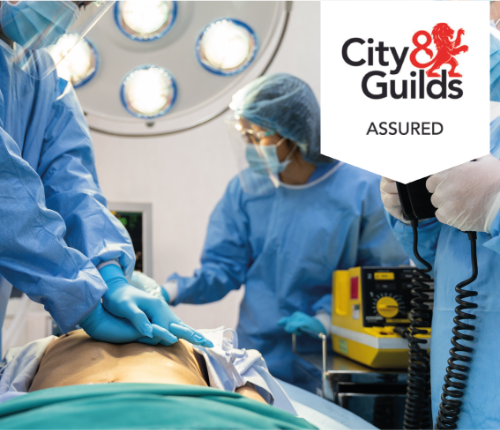
This City & Guilds Assured ILS training course contains a blend of theory + immersive practical sessions with real-life scenarios and hospital-grade Resuscitation equipment.
More Info