
Are you looking for E-Learning training?
- 60+ low-cost, fully accredited courses to choose from
- FREE CPD courses available - try before you buy!
- Compatible across all devices, complete anywhere, anytime
 Back
Back





Violence and aggression against NHS staff are rising, with new figures revealing the scale of the challenge facing frontline workers.
In the past year, NHS trusts in England recorded an average of 285 violent incidents a day, highlighting growing concerns about safety in healthcare environments.
Data from the latest NHS Staff Survey shows that many employees have experienced physical violence, unwanted sexual behaviour and discrimination from patients and members of the public. The findings highlight the increasing pressure on staff already working in complex and demanding environments.
While healthcare settings can be unpredictable, leaders say one message is clear: violence should not be regarded as “part of the job”. Employers and system leaders are being urged to take stronger action to protect staff, including introducing practical prevention measures and ensuring clear consequences where appropriate.
The renewed focus on staff safety comes amid broader efforts to improve working conditions and retention across the health service, with unions and professional bodies warning that failure to tackle abuse and aggression risks further damaging morale and workforce stability.
What can reduce risk in day-to-day practice?
There is no single fix, but most prevention approaches focus on three areas:
• Early recognition of warning signs and common triggers
• De-escalation skills that help reduce distress before a situation escalates
• Clear team responses when behaviour becomes unsafe, with agreed roles and boundaries
Training is one practical step organisations can take, alongside clear reporting routes, post-incident support, and consistent follow-up, to build confidence and safer decision-making across teams.
Why recognised standards matter
Where restrictive interventions may be required, organisations often look for training that is not only practical, but also credible and defensible.
Our PMVA courses are BILD ACT certified and aligned to the Restraint Reduction Network (RRN) Training Standards. This provides reassurance that training meets clear expectations around safety, quality, and a strong focus on prevention and de-escalation.
A quick guide to choosing the right course
The right training helps teams prevent escalation early, respond calmly, and keep everyone safer. Use the guide below to choose the option that best fits your role and setting.
Which PMVA course is right for you? |
||
|
3-Day PMVA (Full course) |
1-Day PMVA Refresher |
Breakaway training |
|
For staff who may need to manage higher-risk situations. |
For learners who already hold a valid PMVA certificate and need to refresh key knowledge and practical skills to remain current. |
Focused on safe disengagement skills.
|
| View course details | View course details | View course details |
BILD ACT certified and aligned to the Restraint Reduction Network (RRN) Training Standards.
In-house training for teams
All options can be delivered in-house, tailored to your setting and risk profile. This helps teams train together and use the same approach in real situations.
For a limited time, we are running a February offer
• £100 off all in-house bookings made before the end of February 2026
• 20% off classroom bookings using code BILD20
Book your PMVA training today https://www.healthandsafetygroup.com/p/pmva-3-day


The Healthcare Certificate Register is a FREE certificate validation service designed for INDEPENDENT delegates who have completed training with The Health and Safety Group.
Click here to Log-in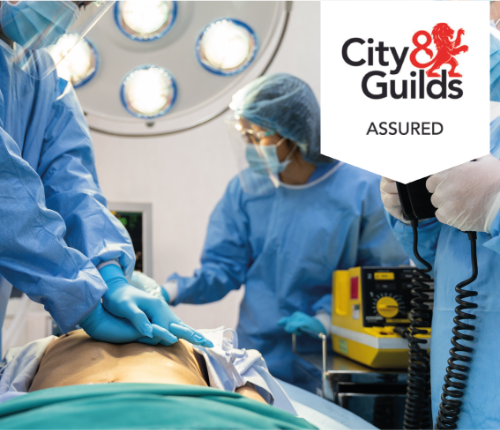
This City & Guilds Assured ILS training course contains a blend of theory + immersive practical sessions with real-life scenarios and hospital-grade Resuscitation equipment.
More Info